
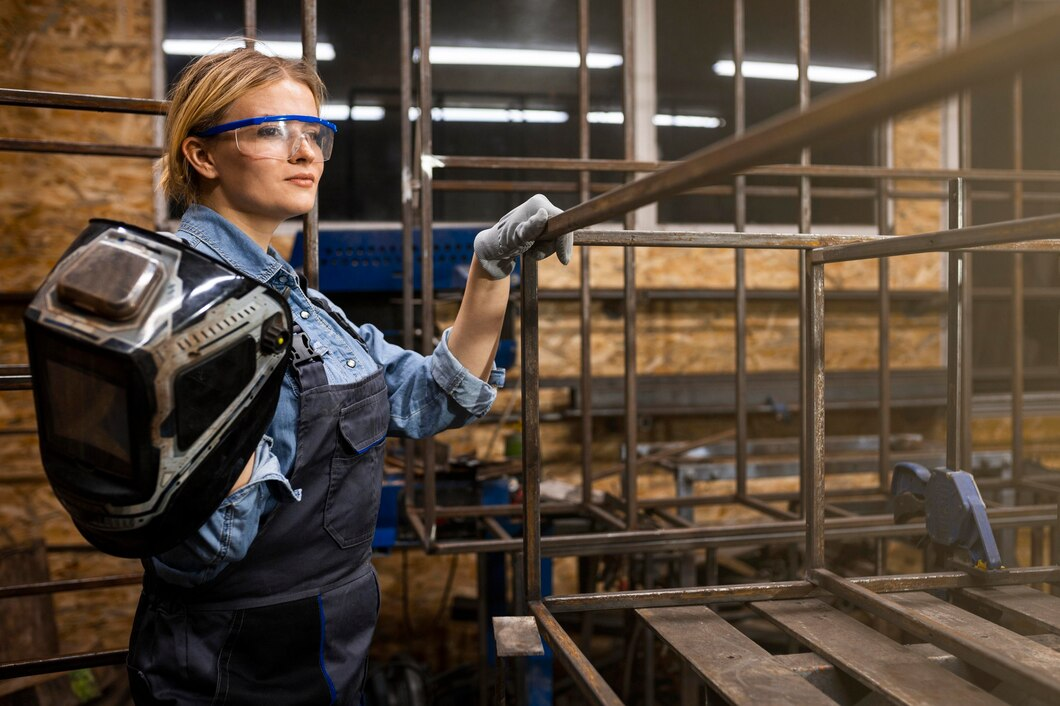
Choosing the right metal fabricator can affect the safety, appearance, durability and overall cost of your project. If you are learning how to choose a metal fabricator, start by comparing more than just the quoted price. Look at experience, materials, fabrication capabilities, communication, installation requirements, finishes and the level of detail included in each quote.
TL;DR: What Should You Look for in a Metal Fabricator?
The best metal fabricator for your project should have relevant experience, clear quoting practices, suitable fabrication capabilities and a strong understanding of the materials and finishes your job requires. Before choosing a supplier, compare at least two or three quotes and ask questions about materials, measurements, fabrication, installation, lead times and warranties.
A local fabricator can also make communication and site coordination easier, particularly when measurements, design changes or installation need to be handled in person.
What Should You Consider When Choosing a Metal Fabricator?
Metal fabrication covers a wide range of work, from relatively simple steel components to custom gates, fences, balustrades, staircases and structural steel. Because projects vary considerably, a fabricator that is suitable for one job may not necessarily be the right choice for another.
Before requesting quotes, define what you actually need. Consider the intended use, dimensions, material, finish, installation location and whether engineering documentation or approvals may be required.
For residential projects, metal fabrication services in Melbourne can include products such as gates, fences, doors, balustrades and staircases. Commercial and structural projects may require a different level of fabrication, documentation and installation planning.
1. Check Relevant Experience
Experience should be relevant to your particular project rather than measured only by the number of years a business has operated.
For example, a fabricator producing a residential balustrade may have different equipment and experience from one regularly working on structural steel for commercial buildings. Ask whether the company has completed projects similar in size, material and application to yours.
Useful questions include:
-
Have you completed similar projects before?
-
Do you fabricate the work in-house?
-
Can you provide examples of comparable projects?
-
Do you handle installation as well as fabrication?
-
Are there project requirements you recommend discussing with an engineer or building professional?
A fabricator with experience in similar work is more likely to identify practical issues before production begins.
2. Understand What Is Included in the Quote
A low quote is not necessarily the cheapest option once additional costs are considered.
Ask each fabricator to explain what the price includes. Depending on the project, a quotation may need to account for materials, design or drafting, cutting, folding, welding, preparation, finishing, delivery and installation.
The following table can help when comparing quotes:
| Quote Factor | What to Check | Why It Matters |
|---|---|---|
| Material | Steel, aluminium, stainless steel or other material | Affects strength, appearance and cost |
| Measurements | Who measures the site and when | Reduces errors before fabrication |
| Fabrication | Cutting, folding, drilling and welding | Clarifies the production scope |
| Finish | Galvanising, powder coating, paint or other treatment | Affects durability and appearance |
| Installation | Included or charged separately | Prevents unexpected costs |
| Delivery | Included, excluded or site dependent | Helps calculate the complete project cost |
| Lead time | Estimated fabrication and installation timeframe | Helps with project planning |
| Changes | Cost of design or specification changes | Reduces disputes later |
When comparing quotes, try to compare equivalent specifications. A cheaper price may simply reflect thinner material, fewer services or a different finish.
What Questions Should You Ask a Metal Fabricator?
Knowing the questions to ask a metal fabricator can make the quoting process much easier, particularly if this is your first custom metalwork project.
Start with questions about the actual scope of work. Ask what the fabricator believes is required based on your drawings, measurements or project description. If you do not have technical drawings, ask whether they can work from measurements, sketches or an existing design.
You should also ask:
-
What material and thickness do you recommend for this application?
-
Is the fabrication completed in your own workshop?
-
What finish is appropriate for the environment?
-
Who will complete the final measurements?
-
Is installation included in the quotation?
-
What is the expected lead time?
-
What happens if measurements or specifications change?
-
Are delivery and site access included?
-
What maintenance will the finished product require?
-
Are there any approvals or engineering requirements I should confirm?
These questions help establish exactly what you are purchasing rather than simply comparing the final number at the bottom of a quotation.
Why Does the Fabrication Material Matter?
Material selection should be based on the environment, structural requirements, appearance and intended lifespan of the finished product.
Steel is commonly selected where strength and structural performance are important. Aluminium can be useful where weight and corrosion resistance are considerations. Stainless steel may be appropriate when appearance and corrosion resistance are important.
The right material also depends on whether the product will be exposed to moisture, outdoor conditions, chemicals, heavy use or physical impact.
For example, a decorative indoor feature has very different requirements from an outdoor gate, structural frame or commercial staircase.
A good fabricator should be able to explain why a particular material or thickness is appropriate instead of simply recommending the most expensive option.
Does the Finish Affect the Longevity of Metalwork?
Yes. The finish is an important part of the overall specification because it can affect corrosion resistance, maintenance and appearance.
Common options may include painting, powder coating or galvanising, depending on the material and application.
For outdoor steelwork, corrosion protection deserves particular attention. Ask the fabricator what preparation is required before the chosen finish is applied and how the finished product should be maintained.
You should also confirm whether the quoted price includes the complete finishing process. Two otherwise similar quotes can differ significantly if one includes finishing and the other only covers raw fabrication.
How Important Is Installation?
Fabrication and installation are closely connected, particularly for large or permanently fixed structures.
A fabricator may produce the components accurately, but installation still requires appropriate measurements, site preparation, access and fixing methods. For larger structures, poor coordination between fabrication and installation can create delays or additional costs.
Ask whether the same company can fabricate and install the product. If installation is being completed by another contractor, establish exactly what dimensions and fixing requirements need to be followed.
For commercial applications, this becomes even more important because access, safety, scheduling and coordination with other trades may affect the installation process. The Metal Guy Company's commercial metal fabrication services cover products such as gates, fencing, staircases, balustrades and structural steel for commercial projects.
What Should Be on Your Metal Fabricator Checklist?
A simple metal fabricator checklist can prevent important details from being overlooked when comparing suppliers.
Before accepting a quotation, check:
-
The material and specifications are clearly stated.
-
Measurements and dimensions have been confirmed.
-
The required finish is included.
-
Fabrication and installation responsibilities are clear.
-
Delivery arrangements have been discussed.
-
The estimated lead time is realistic.
-
Any drawings or engineering requirements have been identified.
-
Changes to the specification and associated costs are understood.
-
The final quotation reflects the actual scope of work.
Keep copies of drawings, measurements, specifications and approved changes. Clear documentation makes it easier for both parties to understand what has been agreed.
Should You Choose a Local Melbourne Fabricator?
For many projects, working with a local fabricator can provide practical advantages. Site measurements, consultations, delivery and installation may be easier to coordinate when the workshop and project are within the same metropolitan area.
It can also be useful when a project involves multiple stages. A fabricator may need to visit the site, confirm measurements, discuss a design adjustment and return for installation.
Location should not be the only deciding factor, however. The fabricator still needs to have the right experience and capabilities for your project.
For structural applications, compare the specific fabrication capabilities of each supplier. Structural steel fabrication in Melbourne may involve beams, columns, trusses and frames, which have different requirements from decorative residential metalwork.
How Can You Compare Metal Fabrication Quotes Fairly?
Once you have received several quotes, avoid choosing solely on price. Instead, compare what each supplier is actually offering.
A useful approach is to create a side-by-side comparison covering material, dimensions, finish, fabrication, installation, delivery, lead time and exclusions.
If one quote is substantially cheaper, ask why. There may be a legitimate difference in material selection, scope or finishing. Identifying the reason is more useful than assuming the lower price represents better value.
Communication should also be part of the comparison. If a fabricator responds clearly to questions and explains technical decisions in understandable terms, it can make the project easier to manage.
Consider Experience and Business History
For first-time buyers, business history can provide useful context, although it should not be treated as the only measure of quality.
The Metal Guy Company is a family-owned business that has provided metal fabrication and steel products since 1999. Its Melbourne operations include residential, commercial and structural fabrication work.
A long operating history can be particularly useful when combined with relevant project experience, clear communication and an established local presence. However, you should still assess the specific requirements of your own project.
What Are the Warning Signs When Comparing Fabricators?
There are several situations that should encourage you to ask more questions before proceeding.
Be cautious if a quotation provides very little detail, specifications are unclear, or important elements such as installation and finishing are not addressed. You should also clarify any unusually short lead times or significant price differences.
Another warning sign is reluctance to explain material choices or project requirements. A professional quotation process should give you enough information to understand what you are paying for.
You do not need to be an expert in metal fabrication to make a good decision. The purpose of asking questions is to ensure the fabricator understands your requirements and that you understand the proposed solution.
Conclusion
Choosing a metal fabricator in Melbourne is easier when you treat the process as a comparison of quality, scope, experience and value rather than simply price. Define your requirements, compare detailed quotations and use a metal fabricator checklist to confirm materials, finishes, installation and lead times.
For buyers who prefer to work with an established local business, The Metal Guy Company has provided metal fabrication and steel products since 1999 and works across residential, commercial and structural applications in Melbourne.
If you have questions about your project specifications, materials, fabrication or installation requirements, you can Contact us to discuss your requirements and determine the appropriate next steps.
Frequently Asked Questions
How do I choose a metal fabricator for a residential project?
Start by checking whether the fabricator has experience with similar residential work. Compare materials, finishes, installation, lead times and the complete scope of each quotation rather than focusing only on price.
What are the most important questions to ask a metal fabricator?
Ask about relevant experience, materials, measurements, fabrication methods, finishing, installation, delivery, lead time and what happens if project specifications change.
How many metal fabrication quotes should I get?
Getting two or three comparable quotes can provide a useful basis for comparison. Make sure each fabricator is quoting on the same or closely matched specifications.
Is the cheapest metal fabrication quote the best option?
Not necessarily. A lower quote may exclude installation, finishing, delivery or use different materials. Compare the complete scope and specifications before making a decision.
What materials are commonly used for metal fabrication?
Steel, stainless steel and aluminium are common choices. The appropriate material depends on factors such as strength, weight, corrosion exposure, appearance and intended use.
Should metal fabrication include installation?
It depends on the project. Having the same company handle fabrication and installation can simplify coordination, but you should confirm exactly what is included before accepting the quote.
Does location matter when choosing a fabricator in Melbourne?
Location can affect site visits, delivery and installation logistics. A Melbourne-based fabricator can be practical for local projects, but experience and suitability for the specific job should remain the main considerations.
{ "@context": "https://schema.org", "@type": "FAQPage", "mainEntity": [ { "@type": "Question", "name": "How do I choose a metal fabricator for a residential project?", "acceptedAnswer": { "@type": "Answer", "text": "Start by checking whether the fabricator has experience with similar residential work. Compare materials, finishes, installation, lead times and the complete scope of each quotation rather than focusing only on price." } }, { "@type": "Question", "name": "What are the most important questions to ask a metal fabricator?", "acceptedAnswer": { "@type": "Answer", "text": "Ask about relevant experience, materials, measurements, fabrication methods, finishing, installation, delivery, lead time and what happens if project specifications change." } }, { "@type": "Question", "name": "How many metal fabrication quotes should I get?", "acceptedAnswer": { "@type": "Answer", "text": "Getting two or three comparable quotes can provide a useful basis for comparison. Make sure each fabricator is quoting on the same or closely matched specifications." } }, { "@type": "Question", "name": "Is the cheapest metal fabrication quote the best option?", "acceptedAnswer": { "@type": "Answer", "text": "Not necessarily. A lower quote may exclude installation, finishing, delivery or use different materials. Compare the complete scope and specifications before making a decision." } }, { "@type": "Question", "name": "What materials are commonly used for metal fabrication?", "acceptedAnswer": { "@type": "Answer", "text": "Steel, stainless steel and aluminium are common choices. The appropriate material depends on factors such as strength, weight, corrosion exposure, appearance and intended use." } }, { "@type": "Question", "name": "Should metal fabrication include installation?", "acceptedAnswer": { "@type": "Answer", "text": "It depends on the project. Having the same company handle fabrication and installation can simplify coordination, but you should confirm exactly what is included before accepting the quote." } }, { "@type": "Question", "name": "Does location matter when choosing a fabricator in Melbourne?", "acceptedAnswer": { "@type": "Answer", "text": "Location can affect site visits, delivery and installation logistics. A Melbourne-based fabricator can be practical for local projects, but experience and suitability for the specific job should remain the main considerations." } } ] }